When I was a kid, my family camped near the newly created Emigrant Basin Wilderness Area. Far from any metropolis, light pollution was minimal. When the sun set, camp was dark.
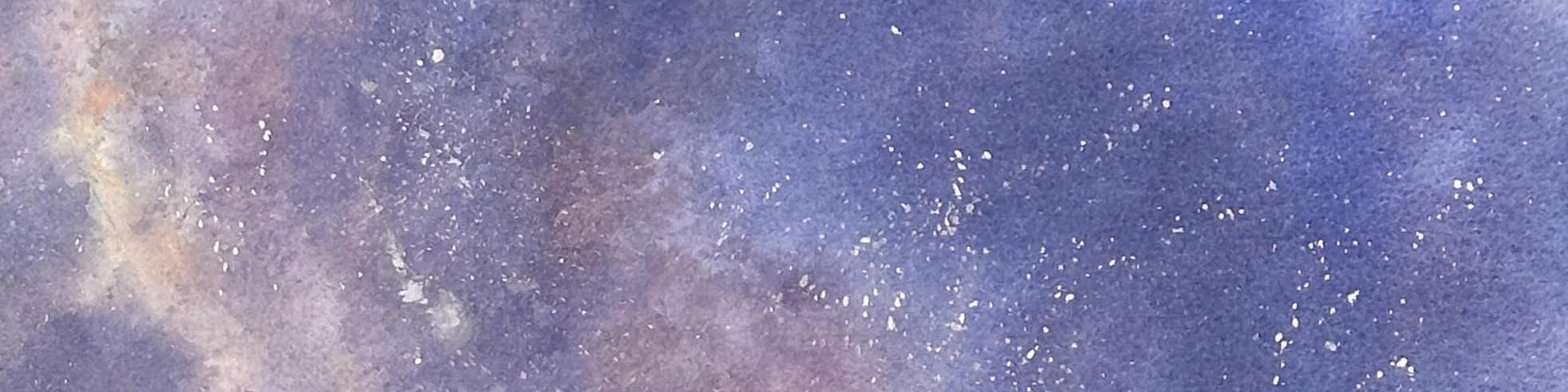
We’d stay up late, much later than we were allowed to stay up at home, and watch the Milky Way stream across the sky. The silvery glow brightened the land. Barely. But once your eyes adjusted, you could find your way through the meadow.
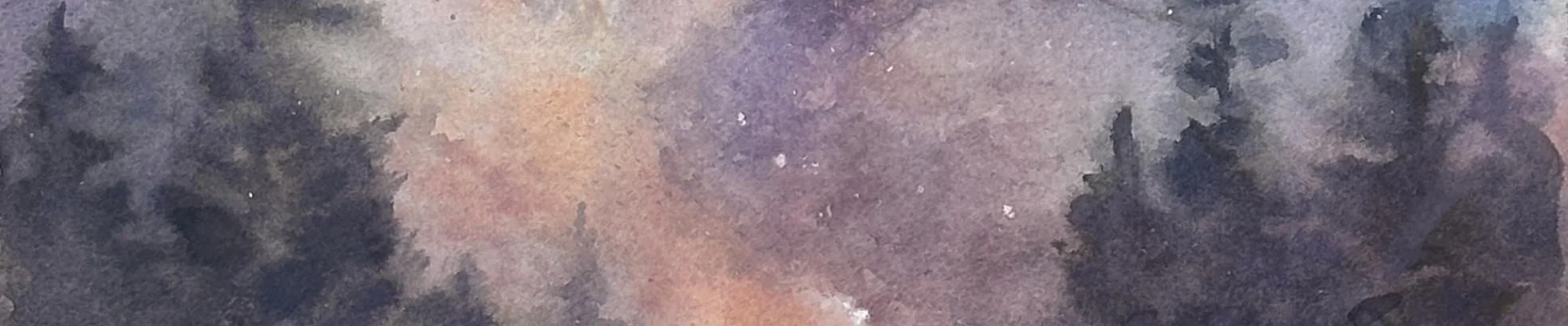
It was easier to see the Milky Way in those days, before light pollution invaded even our darkest skies. But still, these days at the top of the Sierra, you can, on a moonless night, see our galaxy.
For millennia the Milky Way has been a constant for Earth. Birds and insects and (maybe) sea turtles use the bright path to navigate as they traverse the globe. (Scold coming: Turn out your outside lights at night! Spring migration will be starting soon, and human lights confuse and endanger our feathered kin.)
Humans too, used the stars to guide them across the land and oceans. We’ve also built our cultures on the patterns of the stars; they hold the maps of our stories, myths and legends.
How much do we owe to the Milky Way? Some scientists posit that exploding stars created conditions for life on Earth to emerge. They may have even brought life itself. Evidence suggests cosmic rays may influence weather on earth. The Milky Way is crucial to our world.
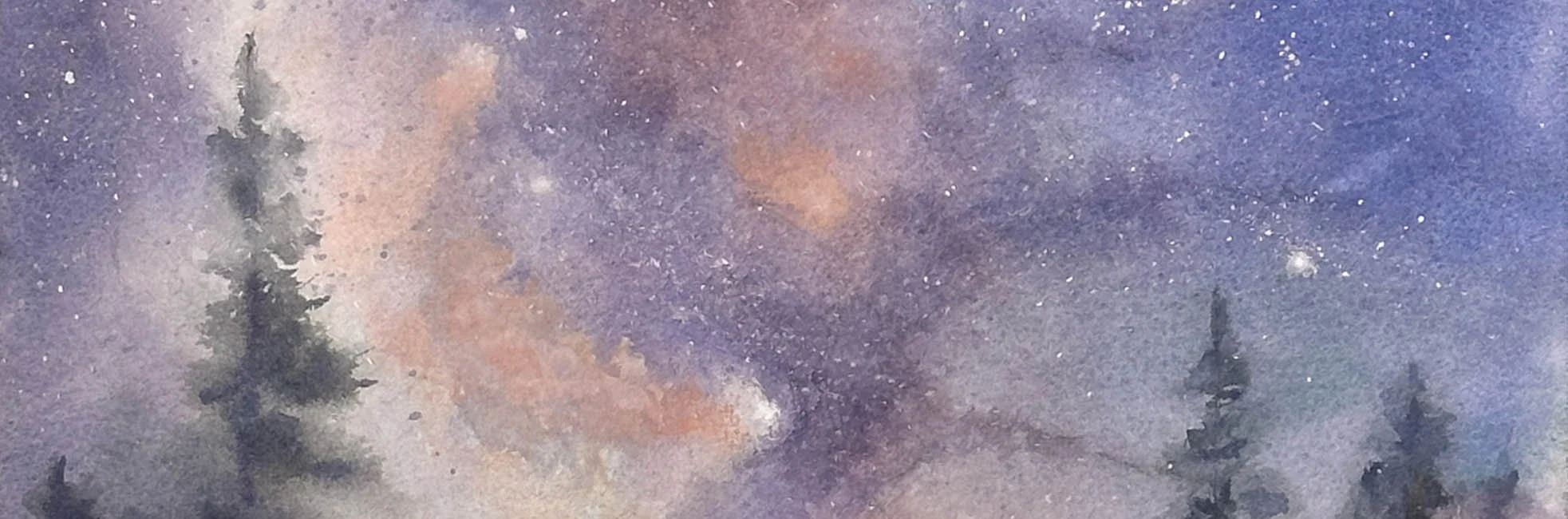
We live in troubled times. Over the last few weeks, when despair threatened to overtake me, I found solace in creating this painting of the night sky.
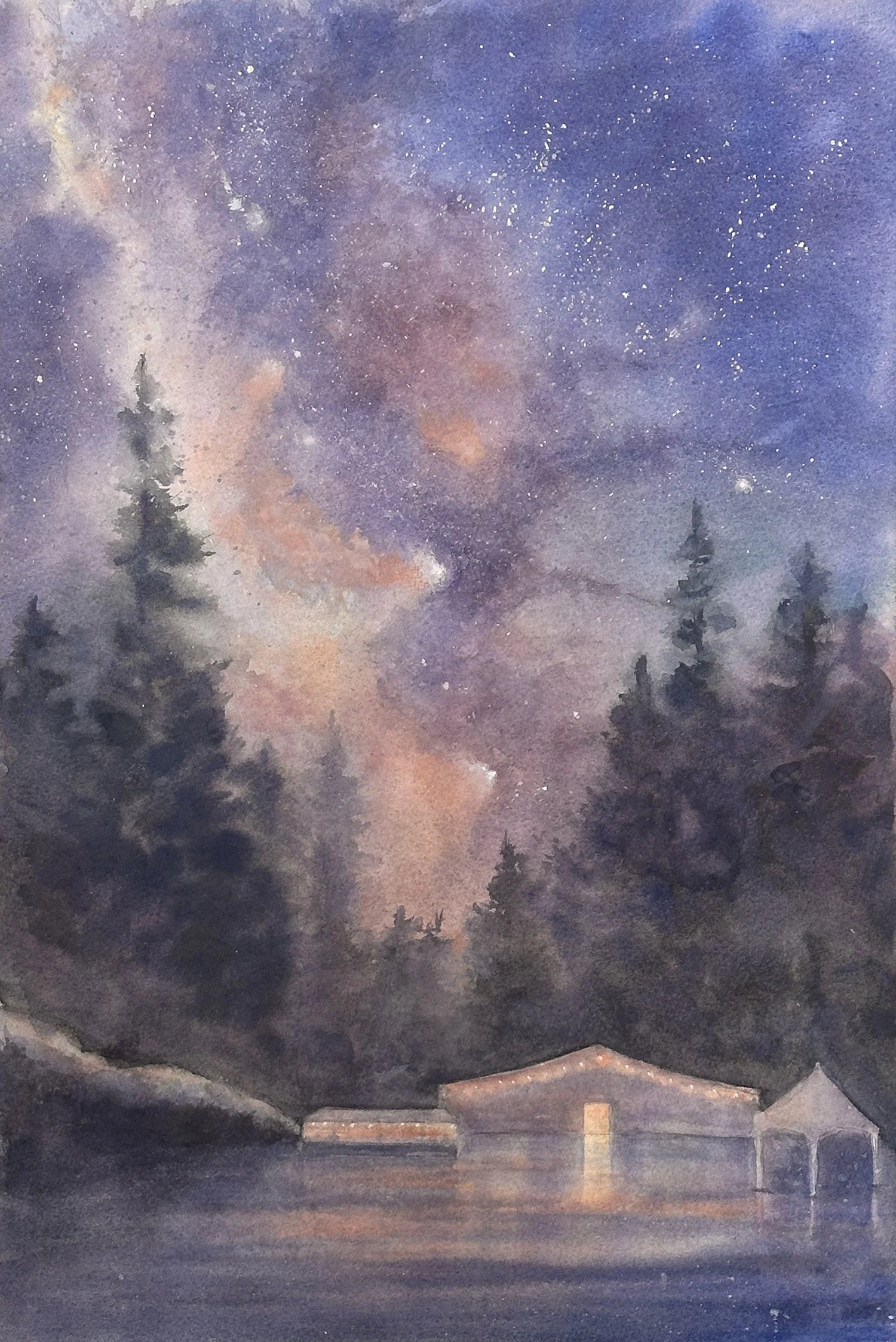
Joni Mitchell wrote “We are stardust…” We all share a connection with that bright ribbon that spills across the night sky. Perhaps that’s why we love looking at it so much, and why thinking about it raises my spirits.
I hope it raises your spirits too.